
Meta Description: What is an emergency fund and why is it crucial for financial survival? Learn how much you need to save and where to park your rainy-day money safely.

Introduction: Expecting the Unexpected in Financial Life
Life is wonderfully unpredictable. While we spend most of our time planning for career milestones, buying homes, and investing for long-term wealth, unexpected twists can occur at any moment. Whether it is a sudden medical emergency, an unforeseen job layoff, or urgent house repairs, financial crises rarely send an advance warning.
When a crisis strikes, scrambling for cash can force you into high-interest debt or compel you to sell your long-term investments prematurely. This is why having a dedicated Emergency Fund is not just an option—it is the bedrock of any solid financial plan. In this comprehensive guide, we will break down why you need a safety net, how to calculate your target amount, and where to keep your funds safely.
What is an Emergency Fund?
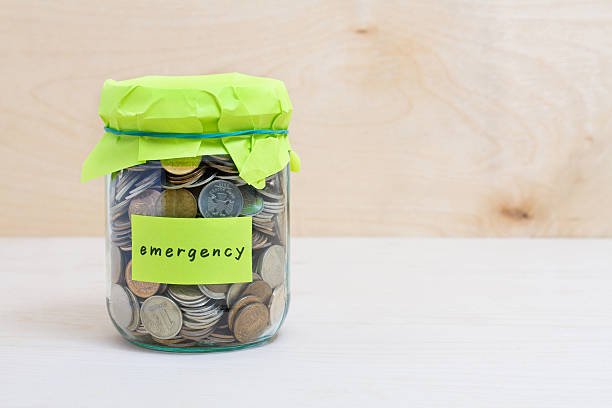
An emergency fund is a stash of easily accessible cash set aside exclusively for unexpected, urgent financial shocks. It is not a savings account for a vacation, a new gadget, or annual festival shopping.
Think of it as your personal financial insurance policy. It acts as a shock absorber, protecting your primary investments, keeping your credit score intact, and giving you peace of mind when life throws curveballs your way.
How Much Money Should You Save in Your Emergency Fund?
A common question among beginners is: How large should this safety net be? Financial experts universally recommend keeping between 3 to 6 months’ worth of essential living expenses saved up.
To calculate your exact target figure, look at your monthly fixed survival costs (using the 50/30/20 budgeting rule framework):
- Rent or housing loan EMIs
- Utility bills (electricity, water, internet)
- Basic groceries and household items
- Essential health insurance and medical premiums
Calculation Example:
If your essential monthly survival expenses equal $1,000, your target emergency fund should be:
- 3 Months Cushion: $1,000 $\times$ 3 = $3,000
- 6 Months Cushion: $1,000 $\times$ 6 = $6,000
If you are self-employed, run a freelance business, or have a single-income household, leaning toward a 6-to-9-month cushion is safer due to fluctuating income streams.
Where Should You Park Your Emergency Fund?

An emergency fund must meet two strict criteria: Liquidity (instant accessibility) and Safety (zero market risk). Because of this, certain investment vehicles are completely wrong for rainy-day money:
- Avoid Stocks or Mutual Funds: While equity mutual funds (like those tracked via your iNDiAN Calc SIP calculators) are great for long-term wealth, they fluctuate with market crashes. You cannot risk having your emergency cash drop by 20% right when you need it.
- Avoid Locked-In Deposits: Long-term fixed deposits with heavy penalties for premature withdrawal defeat the purpose of immediate liquidity.
Best Places to Keep Your Emergency Fund:
- High-Yield Savings Accounts: Offers instant withdrawal via ATM or mobile banking while earning moderate interest.
- Liquid Mutual Funds / Ultra-Short Debt Funds: Highly safe debt instruments that allow redemption within 24 hours directly to your bank account.
4 Steps to Build Your Emergency Fund From Scratch
- Start Small with a Milestone: Don’t get overwhelmed by the final 6-month target. Start by saving your first $500, then scale to one month of expenses, and build upward progressively.
- Automate Your Savings: Treat your emergency contribution like a non-negotiable monthly bill. Set up an automatic transfer on payday directly to your secondary savings account.
- Direct Windfalls to the Fund: Whenever you receive unexpected money—such as tax refunds, professional bonuses, or monetary gifts—route at least 50% straight into your emergency pool.
- Replenish Immediately After Use: If an actual emergency forces you to dip into your safety net, make it your top financial priority to rebuild it back to full capacity as soon as income normalizes.
Frequently Asked Questions (FAQs)
Q1: Can I invest my emergency fund in gold or crypto?
Ans: Absolutely not. Gold and cryptocurrencies are volatile assets subject to sharp price swings. An emergency fund must remain stable and fully liquid in cash equivalents.
Q2: What qualifies as a true “emergency”?
Ans: Job loss, urgent medical surgeries, essential car or house repairs necessary for daily safety. Buying tickets for a sudden vacation sale or upgrading your phone does not qualify.
Conclusion
An emergency fund is the ultimate shield against life’s uncertainties. By setting aside 3 to 6 months of essential living expenses in a safe, liquid account, you protect your hard-earned investments, avoid falling into high-interest debt traps, and gain unmatched peace of mind.
Disclaimer: This article is for informational and educational purposes only. Financial situations vary; consult a certified financial advisor for personalized cash flow and risk management guidance.