Meta Description: Confused by business taxes and GST calculations? Learn how Goods and Services Tax works, how to avoid common filing errors, and simplify your finances.
Introduction: Navigating the Complex World of Business Taxation
Whether you are running a budding startup, managing a retail storefront, freelancing as an independent contractor, or expanding an e-commerce venture, taxation is an unavoidable part of commercial life. Among all fiscal regulations, understanding how indirect taxes like GST (Goods and Services Tax) operate is critical for staying legally compliant and financially healthy.
Many small business owners struggle with manual tax computations, invoice reconciliations, and filing deadlines, often leading to avoidable penalties or cash flow mismatches. Utilizing accurate digital calculation tools ensures your pricing and tax segregations remain error-free. To compute your liabilities instantly, you can explore the tools available on iNDiAN Calc. In this guide, we will break down the essentials of GST and smart tax planning for modern entrepreneurs.
What is GST and Why Does It Matter?
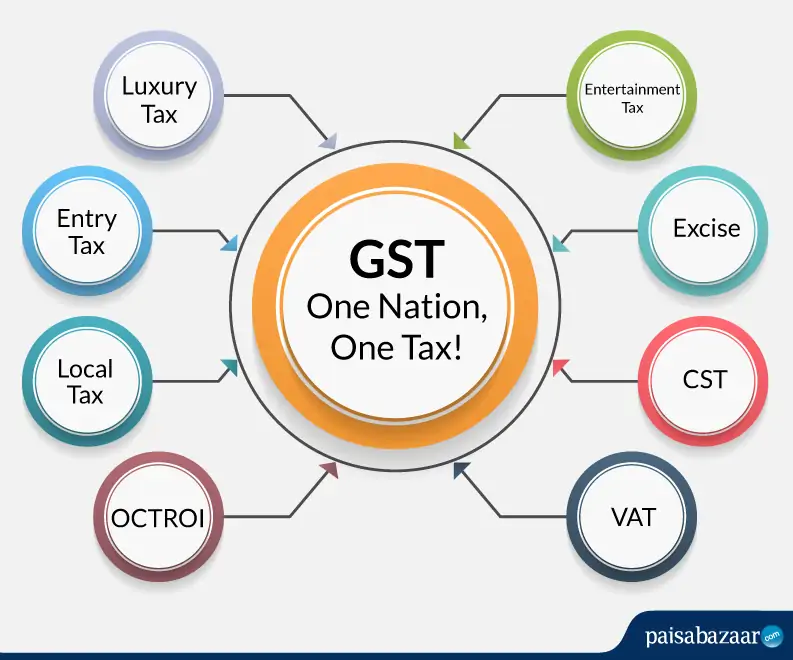
Before the implementation of standardized indirect tax frameworks, businesses had to navigate a chaotic web of multiple cascading taxes—such as excise duties, service taxes, and local octroi. GST replaced this fragmentation with a single, unified destination-based tax system applied on the supply of goods and services.
Core Benefits of a Streamlined Tax Structure:
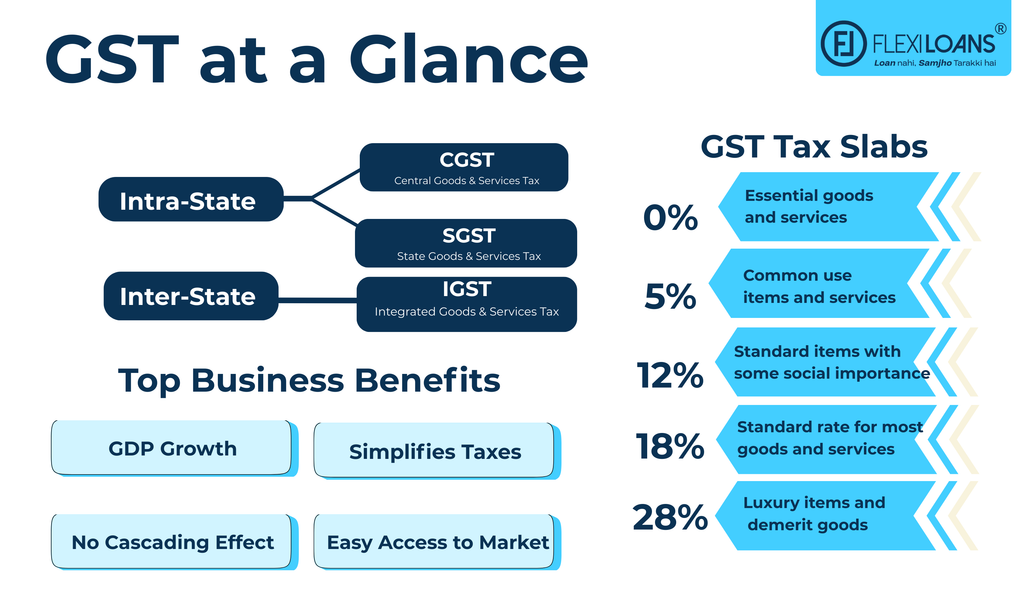
- Elimination of Cascading Effects: GST prevents “tax on tax,” reducing the overall manufacturing and retail cost of goods for end consumers.
- Ease of Doing Business: Standardized digital filing portals have simplified national interstate commerce and trade transparency.
- Input Tax Credit (ITC): Businesses can claim credit for the GST they paid on raw materials and business supplies when selling final taxable products, optimizing working capital.
To make sure your business cash flow remains robust alongside your tax obligations, review our insights on Personal Budgeting and Wealth Building.
How to Calculate GST Correctly (Inclusive vs. Exclusive)
When pricing products or issuing invoices, understanding how to compute GST percentages correctly prevents profit leakage.
1. Adding GST to an Exclusive Price:
If a product costs $100 before tax and the applicable GST rate is 18%:
$$\text{Tax Amount} = 100 \times \frac{18}{100} = \$18$$
$$\text{Total Invoice Value} = 100 + 18 = \mathbf{\$118}$$
2. Extracting GST from an Inclusive Price:
If a customer pays an inclusive total of $118 and you need to separate the base cost from the 18% tax:
$$\text{Base Cost} = \frac{\text{Total Inclusive Price}}{1 + \left(\frac{\text{Tax Rate}}{100}\right)}$$
$$\text{Base Cost} = \frac{118}{1.18} = \mathbf{\$100}$$
Manual calculations across hundreds of invoices can lead to rounding errors. Using precise utility platforms like iNDiAN Calc eliminates these risks entirely.
4 Smart Strategies to Streamline Business Taxes
- Maintain Digital Accounting Systems: Never rely on paper ledgers or messy spreadsheets. Integrate cloud accounting software to track every sale, expense, and input tax credit in real time.
- Reconcile Input Tax Credit (ITC) Regularly: Mismatches between your purchase records and your suppliers’ filed returns can block your ITC claims. Cross-verify your invoices monthly.
- Separate Personal and Business Finances: Never mix your personal bank accounts with company revenues. Maintain a clean corporate account to simplify tracking and avoid compliance audits. (For broader financial tracking tips, check out our guide on Managing Expenses and Emergency Funds).
- Build a Tax Reserve Fund: Set aside a percentage of every invoice payment into a separate tax-reserve account as you earn, ensuring you never face a cash crunch when filing deadlines arrive.
Frequently Asked Questions (FAQs)
Q1: What happens if a business misses a GST filing deadline?
Ans: Missing filing deadlines typically attracts late fees, daily interest penalties on unpaid tax liabilities, and can temporarily freeze your ability to generate valid tax invoices.
Q2: Can individuals or freelancers register for GST?
Ans: Yes, freelancers and service providers crossing specific turnover thresholds or engaging in interstate supplies can—and often must—register for GST to claim input tax credits legally.
Conclusion
Tax planning and GST compliance do not have to be a source of constant administrative stress. By adopting digital accounting systems, understanding how inclusive and exclusive tax computations work, and setting aside reserves proactively, you can protect your enterprise from penalties and maintain absolute financial clarity.
Disclaimer: This article is for informational and educational purposes only. Tax laws, slabs, and compliance regulations vary by jurisdiction; consult a certified chartered accountant or tax professional for your specific business requirements.